5 Tested Ways Cattle Software Actually Transforms Ranches by 2026
Discover how cattle software is transforming ranch management with practical solutions by 2026. Explore tested methods for boosting efficiency and profits.
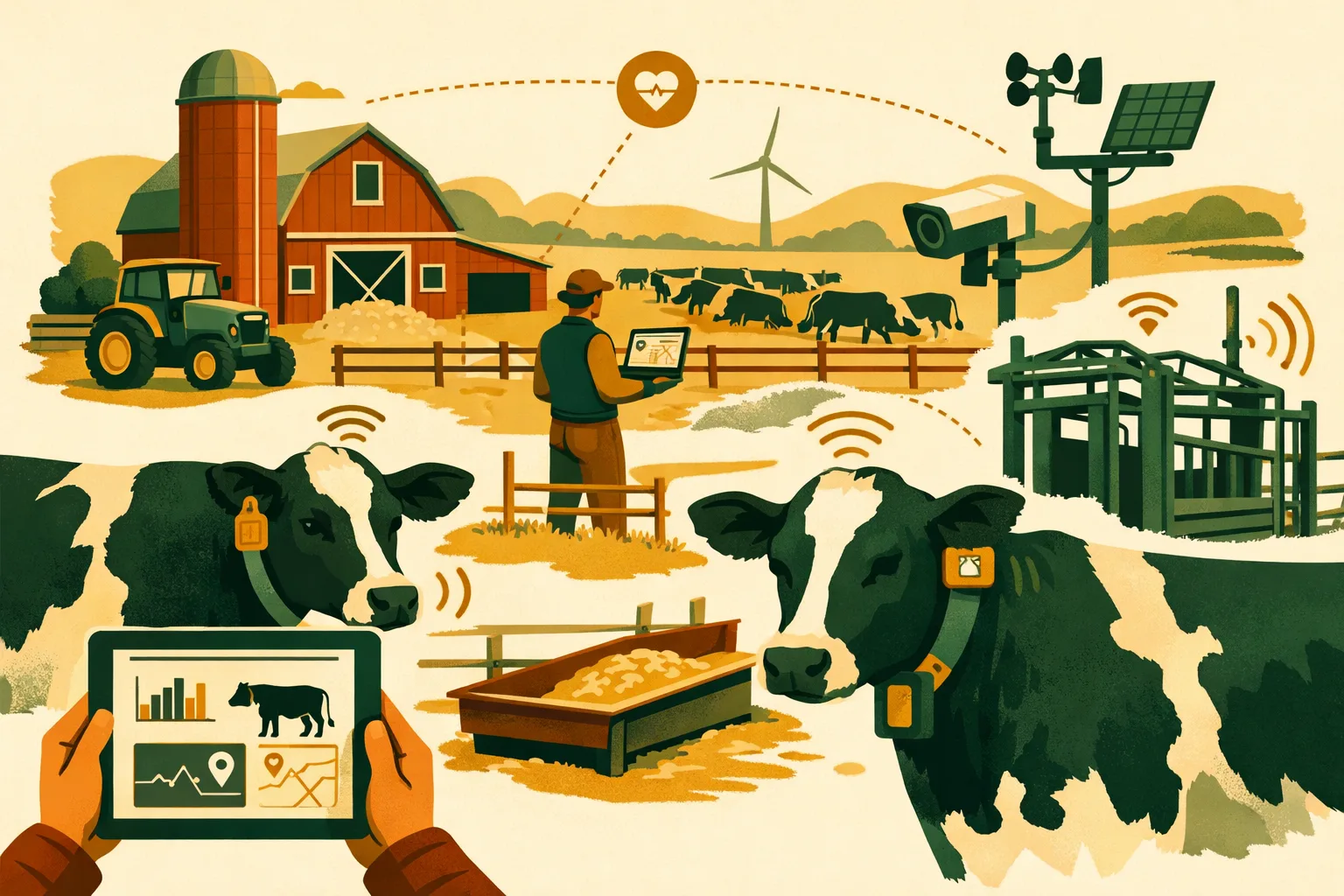
Margins on commercial cattle operations are too tight for guesswork. When treatments live in a notebook, pasture moves depend on memory, inventory counts happen “when someone has time,” and sale decisions are made from partial records, ranch managers lose control of the details that drive profitability. Cattle software is becoming a practical operating layer for modern ranches: one place to track animals, work crews, health events, breeding records, grazing moves, inventory, equipment, and compliance documentation before small issues become expensive problems.
For ranches managing 50 to 5,000+ acres, the value is not just “going digital.” The value is running a tighter operation with fewer missed tasks, cleaner records, faster decisions, and better visibility across multiple people, pastures, barns, yards, and enterprises.
What Cattle Software Does on a Commercial Ranch
Cattle software is a digital system used to manage the day-to-day and seasonal records behind a beef, dairy, cow-calf, stocker, backgrounding, feedlot, or mixed livestock operation. Good systems replace scattered notebooks, spreadsheets, whiteboards, text threads, and memory-based decisions with structured records that can be accessed by managers, family members, employees, consultants, and sometimes veterinarians or accountants.
At farm scale, cattle software usually helps with:
- Animal identification and herd records
- Health treatments and withdrawal tracking
- Breeding, calving, pregnancy checks, and culling decisions
- Weight records and performance history
- Grazing rotations and pasture use
- Feed, mineral, chemical, seed, and supply inventory
- Equipment service and repair schedules
- Labor tasks and crew accountability
- Regulatory and audit-ready documentation
- Financial planning and cost visibility
For a deeper look at how ranch and crop operations can centralize records, see the FarmsFlo guide to farm management software.
Why 2026 Is a Practical Deadline for Better Ranch Systems
By 2026, cattle operations will face even more pressure around traceability, labor efficiency, input cost control, animal welfare documentation, and multi-site coordination. That does not mean every ranch needs the most complex platform available. It means the operation needs a reliable system that can keep pace with modern expectations.
Several trends are pushing ranches toward better software:
- Buyers increasingly want cleaner animal history and production documentation.
- Veterinary and treatment records need to be easier to retrieve.
- Labor is harder to find, so tasks must be clearer and repeatable.
- Feed, mineral, fuel, and repair costs require tighter tracking.
- Larger land bases and leased ground make pasture visibility harder.
- Succession planning demands records that are not locked in one person’s head.
- Audits, certifications, and lender requests are easier with organized data.
Cattle software is no longer only for large feedyards or highly specialized seedstock programs. Mid-sized ranches now use it to reduce operational friction: fewer duplicated entries, fewer forgotten jobs, fewer unknowns at sale time.
1. Cattle Software Creates One Reliable Herd Record
Most ranches already collect useful information. The problem is that it is often spread across chute-side notes, spreadsheets, calving books, invoices, veterinary records, ear tag lists, and handwritten calendars. Cattle software turns those disconnected records into a usable herd history.
What Moves Into the System
A commercial ranch can typically centralize:
- Ear tag, EID, brand, tattoo, or visual ID
- Birth date, dam, sire, breed, and sex
- Purchase date and source
- Pasture or pen location
- Health events and treatments
- Vaccinations and boosters
- Breeding exposure groups
- Pregnancy status
- Calving outcomes
- Weaning weights and sale weights
- Culling reason
- Death loss notes
- Withdrawal dates
- Sale destination and settlement details
The goal is not data entry for its own sake. The goal is to make every animal record useful at the moment of decision.
Real-World Outcomes Ranches Can Expect
When herd records are organized, managers can act faster and with more confidence. Common operational improvements include:
- Finding an animal’s treatment history before re-treating
- Avoiding sale of animals still under withdrawal
- Identifying cows with repeated calving or fertility problems
- Reviewing performance before replacement or cull decisions
- Tracking purchased groups separately from home-raised calves
- Improving communication between chute crews and management
- Reducing time spent searching for paperwork
On a commercial cow-calf operation, the most valuable improvement is often repeatability. When every preg check, vaccination day, calving issue, and weaning record follows the same process, managers can compare years instead of rebuilding records from scratch every season.
Manual Records vs. Cattle Software
| Ranch Management Task | Paper/Spreadsheet Approach | Cattle Software Approach | Practical Outcome |
|---|---|---|---|
| Health treatments | Written in chute book, later re-entered or filed | Entered once by animal, group, pasture, or pen | Faster lookup and cleaner withdrawal tracking |
| Breeding records | Notes by bull group or pasture | Exposure dates, sire groups, preg status, calving results | Better culling and replacement decisions |
| Inventory | Manual count after busy seasons | Ongoing usage and reorder visibility | Fewer stockouts and less emergency buying |
| Crew tasks | Texts, calls, whiteboard notes | Assigned jobs with completion history | Better accountability across employees |
| Pasture moves | Memory, maps, notebook | Recorded moves and grazing history | Clearer forage and stocking decisions |
| Compliance files | Receipts and forms stored separately | Digital record trail tied to animals, products, and dates | Faster audit preparation |
Time and Cost Estimate
For a 100- to 300-head commercial herd, the initial herd record setup may take one to three working days depending on record quality. Larger or multi-enterprise operations should plan for a phased setup over two to six weeks.
Typical cost categories include:
- Software subscription
- Staff time for setup and training
- Optional RFID or barcode hardware
- Data cleanup from old spreadsheets or notebooks
- Mobile devices if crews do not already have them
The highest cost is usually not the software. It is the drag caused by poor records, rework, and decisions made too late.
2. Cattle Software Tightens Health, Treatment, and Compliance Control
Health record accuracy is one of the clearest use cases for cattle software. Treatment mistakes are expensive, and missing documentation can create problems with buyers, processors, auditors, and veterinarians.
A software-based process helps ranch managers document what happened, when it happened, who did it, what product was used, and when the animal or group clears withdrawal.
Health Events Worth Tracking
At minimum, commercial ranches should track:
- Vaccination date and product
- Treatment date and product
- Dosage
- Route of administration
- Lot number, if needed for your program
- Animal ID or group ID
- Diagnosis or observed symptoms
- Treated by
- Withdrawal period
- Follow-up date
- Outcome
- Veterinarian notes, if applicable
Ranches selling into specific programs may need additional records. Certified, natural, non-hormone treated, source-verified, or welfare-focused markets often require more documentation than a conventional sale.
For more on building reliable operational documentation, read the FarmsFlo guide to farm compliance record keeping.
Why Health Records Break Down Without Software
Paper health logs usually fail for predictable reasons:
- The treatment was written down after the crew left the chute.
- The product name was abbreviated differently by different employees.
- Withdrawal dates were calculated manually.
- Group treatments were not tied to individual animals.
- The notebook stayed in a truck or barn office.
- Follow-up treatment was not scheduled.
- Inventory use was not deducted.
- Records were not reviewed before shipping.
Cattle software fixes many of these issues by making the record part of the work, not a separate administrative chore after the workday is done.
Better Withdrawal Management
Withdrawal tracking is one of the strongest arguments for using cattle software. A missed withdrawal date can create serious sale and food safety problems. Software can help by:
- Linking treatments to animal IDs or groups
- Recording product withdrawal periods
- Flagging animals before sale or movement
- Showing follow-up dates
- Keeping a searchable treatment history
- Reducing reliance on memory or sticky notes
This is especially useful for stocker, backgrounding, dairy-beef, and feedlot operations where animals move through the system quickly and treatment volume is higher.
Time and Cost Estimate
A workable health record workflow can usually be built in less than a week if the ranch already has consistent animal IDs. Training a chute crew often takes one or two working sessions.
Plan for:
- 2–4 hours to configure products and protocols
- 1–2 hours to train staff on treatment entry
- Additional time if animal IDs need cleanup
- Optional hardware setup for EID scanning
The operational payoff comes from fewer missed follow-ups, cleaner shipping decisions, and less time digging through paper when a buyer or veterinarian asks for a record.
3. Cattle Software Improves Breeding, Calving, and Culling Decisions
Breeding and calving records are where cattle software starts influencing long-term herd profitability. A cow that misses, calves late, loses a calf, or repeatedly needs assistance may not look expensive in a single notebook entry. Over several seasons, her record tells a clearer story.
What to Track During Breeding Season
A commercial system should allow managers to record:
- Breeding pasture or pen
- Bull exposure dates
- Bull ID or sire group
- AI dates, if used
- Embryo transfer details, if applicable
- Pregnancy check date
- Pregnancy status
- Expected calving window
- Open cows
- Late-bred cows
- Cull candidates
This information supports better decisions before winter feed costs pile up. Keeping open or problem cows because the records are unclear is one of the quiet ways ranches leak profit.
What to Track During Calving
During calving, cattle software should capture:
- Calf ID
- Dam ID
- Birth date
- Sex
- Calving ease
- Birth weight, if collected
- Twin status
- Calf vigor notes
- Death loss reason
- Colostrum or treatment notes
- Pasture or group location
For commercial operations, the process should be fast enough to use in real conditions. If a system requires too many fields or too much typing during a freezing night, employees will avoid it. The right system balances useful data with field practicality.
Turning Records Into Culling Rules
Cattle software becomes more valuable when records support clear rules. Examples:
- Cull cows that are open after preg check unless intentionally held.
- Flag cows with repeated assisted births.
- Review cows that calve late two years in a row.
- Compare calf performance by dam age or sire group.
- Track calf death loss by pasture, weather window, or dam group.
- Identify poor mothers or cows with recurring health issues.
The point is to remove emotion and memory bias from herd decisions. Long-time operators know many cows by sight, but that knowledge becomes stronger when it is backed by several years of searchable records.
Replacement Heifer Selection
Software also improves replacement decisions. Managers can compare candidates by:
- Dam productivity
- Birth date
- Weaning weight
- Health history
- Breed composition
- Pasture group
- Sire group
- Disposition notes
- Structural or reproductive issues
This creates a more disciplined replacement program. Instead of choosing heifers only from appearance or convenience, managers can select from animals with better documented performance and maternal background.
Time and Cost Estimate
Breeding and calving setup depends heavily on herd size and program complexity.
For a straightforward commercial cow-calf operation:
- 2–3 hours to create breeding groups
- 1 working day to clean cow and bull IDs
- 1–2 hours to train staff on calving entry
- 30–60 minutes after each major working event to review records
Seedstock, AI-heavy, or multi-breed operations need more setup, but they also gain more value from accurate parentage, reproductive, and performance records.
4. Cattle Software Connects Pasture, Feed, Inventory, and Equipment Decisions
Cattle management is not only about animals. Cattle performance depends on forage, feed, mineral, water, fencing, equipment, labor, and timing. The strongest ranch software connects livestock records to the assets and inputs that support them.
Grazing and Pasture Visibility
Pasture records help ranch managers answer practical questions:
- Which groups are in which pastures?
- When did they move in?
- When did they move out?
- How long was the rest period?
- Which pastures were overused during drought?
- Where were water or fence problems reported?
- What fertilizer, herbicide, or seeding work was completed?
- Which leased ground supports which groups?
A grazing notebook can work for a small, single-location herd. It becomes harder when multiple employees move cattle, hay fields are part of the rotation, or leased ground is spread across several sites.
Software helps keep pasture decisions visible. Managers can review grazing history before moving pairs, turning out bulls, or planning winter feeding.
For related planning, see the FarmsFlo guide to farm task management and farm inventory management.
Feed and Mineral Inventory
Feed, mineral, supplements, medication, fuel, and fencing supplies are easy to underestimate until the shelf is empty. Ranch software can help track:
- Feed deliveries
- Hay lots and storage location
- Mineral purchases and usage
- Vaccine and medicine inventory
- Chemical and seed inventory for hay ground
- Fuel and oil
- Replacement parts
- Fence materials
- Tags and tagging supplies
The goal is not just knowing what is on hand. It is knowing what will be needed before the next working day, storm, processing date, or shipping window.
Equipment Maintenance
Cattle operations rely on trucks, trailers, tractors, loaders, bale processors, ATVs, side-by-sides, feed wagons, scales, chutes, and water systems. A missed service interval or preventable breakdown can delay cattle work at the worst possible time.
Cattle software or broader farm management software should help schedule:
- Oil and filter changes
- Tire checks
- Hydraulic service
- Trailer inspections
- Scale calibration reminders
- Chute and alley repairs
- Water pump checks
- Generator maintenance
- Bale processor and mixer service
- Seasonal pre-checks before calving, haying, or winter feeding
See FarmsFlo’s guide to farm equipment maintenance logs for a practical structure.
Connecting Inputs to Animal Groups
The next level is connecting costs and inputs to animal groups or enterprises. For example:
- Feed used by weaned calves
- Mineral used by breeding groups
- Vet costs by pasture or pen
- Hay allocated to winter cow groups
- Labor spent fixing fence on leased ground
- Equipment hours during feeding season
This helps managers see which enterprises are consuming the most resources. It also helps with year-end review, lender conversations, and future budgeting.
Time and Cost Estimate
Pasture, inventory, and equipment setup usually takes longer than animal record setup because assets are spread across the operation.
A practical implementation plan:
- 1–2 days to list pastures, pens, barns, water points, and storage areas
- 1 day to enter major equipment and service intervals
- 1–3 days to count key inventory categories
- 1 hour per week to keep records current during busy seasons
- 15–30 minutes per week for a manager review
The biggest mistake is trying to inventory every bolt, fitting, and old part on day one. Start with high-value and operationally critical categories: feed, mineral, animal health products, fuel, hay, fencing supplies, and equipment service.
5. Cattle Software Makes Labor, Reporting, and Management Accountability Easier
Ranch labor is expensive, limited, and often stretched across many jobs. Software helps managers convert plans into assigned work, then confirm what actually happened.
Task Management for Ranch Crews
Commercial ranches need a task system that works for real field conditions. That means tasks should be clear, practical, and tied to animals, locations, equipment, or inventory.
Examples:
- Move pairs from South 80 to Creek Pasture
- Check mineral in all bull pastures
- Treat calf 427 for foot rot and schedule follow-up
- Repair fence on leased quarter before turnout
- Clean and inspect water tanks
- Pull bulls from Group 3
- Service loader before winter feeding
- Confirm vaccine inventory before processing
- Record preg check results
- Load cull cows for Tuesday sale
When tasks are managed in software, ranch managers can see what is assigned, overdue, completed, or blocked. This reduces phone calls and helps new employees follow the process.
Better Communication Across Multi-Person Operations
On many ranches, the biggest information gap is not between management and software. It is between people.
One person knows a cow was treated. Another person knows a gate is broken. Someone else moved a group to a different pasture. The owner assumes the mineral was checked. The weekend crew does not know which calves need follow-up.
Cattle software creates a shared operating picture. Instead of relying on text chains or conversations at the fuel tank, the ranch has one place for tasks and records.
Reporting That Supports Decisions
Useful reports do not need to be complicated. Commercial ranches benefit from simple reporting such as:
- Treatment history by animal or group
- Animals under withdrawal
- Open cows by group
- Calving outcomes
- Death loss records
- Weaning weights by group
- Inventory on hand
- Pasture movement history
- Upcoming equipment service
- Completed tasks by employee or location
- Cost categories by enterprise
Reports become especially valuable before major decisions:
- Before shipping calves
- Before preg check
- Before culling
- Before ordering vaccines
- Before winter feeding
- Before renewing leases
- Before meeting with a lender, accountant, veterinarian, or nutritionist
Better Handoffs and Succession
Many commercial ranches depend on one or two people holding years of operational knowledge. That becomes risky when those people are unavailable, retire, sell the ranch, or hand responsibilities to the next generation.
Cattle software protects operational continuity by documenting:
- Herd history
- Pasture use
- Buyer and supplier details
- Breeding decisions
- Treatment protocols
- Equipment service history
- Recurring tasks
- Inventory norms
- Lease-related notes
- Compliance documentation
This is especially useful for family operations transitioning management responsibilities. Good records lower the learning curve and reduce conflict over what happened, when, and why.
Time and Cost Estimate
Task and labor management can be implemented quickly.
Plan for:
- 1–2 hours to set up users and roles
- 1–2 hours to create recurring tasks
- 30 minutes to train staff on task completion
- 10–15 minutes per day for manager review during busy periods
- 30–60 minutes per week for planning and cleanup
The key is consistency. If managers continue assigning work through five different channels, software will not fix the communication problem. The ranch needs one agreed process.
How to Choose Cattle Software for a 50-5000+ Acre Operation
Not all platforms are built for the same type of ranch. Some are strong in animal performance data. Others are better for task management, inventory, equipment, or whole-farm operations. The right choice depends on how your ranch actually runs.
Start With Your Operational Pain Points
Before comparing software, list the problems you need solved. Common priorities include:
- Treatment records are incomplete or hard to find.
- Employees forget or duplicate tasks.
- Inventory runs out before processing days.
- Breeding and calving records are inconsistent.
- Culling decisions rely too much on memory.
- Equipment maintenance is reactive.
- Pasture moves are not documented.
- Multiple family members use different spreadsheets.
- Compliance files take too long to prepare.
- Managers cannot see what happened across multiple locations.
Rank the top three. Choose software that solves those first.
Features to Look For
For commercial cattle operations, strong cattle software should offer:
- Easy animal and group record management
- Mobile-friendly field entry
- Offline or low-connectivity usability where available
- Health treatment and withdrawal tracking
- Breeding, calving, and reproductive records
- Task assignment and completion tracking
- Inventory management
- Equipment maintenance tracking
- Pasture or location tracking
- User permissions for employees and managers
- Reporting and export options
- Support for farm-scale operations, not just hobby herds
- Clear onboarding and customer support
Questions to Ask Before Buying
Ask vendors practical questions:
- Can crews enter records from the chute, pasture, barn, or truck?
- How are animal groups handled?
- Can treatments be recorded by both individual animal and group?
- Can the system track withdrawal dates?
- Can tasks be assigned to employees?
- Can inventory be connected to treatments or work orders?
- Can equipment service be scheduled?
- How does the system handle multiple locations or leased ground?
- Can records be exported?
- How long does onboarding usually take for an operation our size?
- What support is available during busy seasons?
- Can we start small and add more workflows later?
A good system should match your current operation while giving you room to grow.
Practical Implementation Checklist for Cattle Software
Use this checklist to move from research to adoption without overwhelming your crew.
Phase 1: Prepare the Operation
- Name one person responsible for implementation.
- Decide which records matter most in the first 90 days.
- Gather current animal lists, spreadsheets, notebooks, and treatment records.
- Clean up duplicate or inconsistent animal IDs.
- List all active pastures, pens, barns, and major locations.
- List employees or family members who need access.
- Identify mobile devices that will be used in the field.
- Decide whether RFID, barcode, or manual entry will be used.
Phase 2: Build the Core System
- Import or enter the active herd.
- Create animal groups: cows, calves, bulls, replacements, stockers, feeders.
- Add locations and pasture names.
- Add common health products and treatment protocols.
- Add withdrawal periods where relevant.
- Add recurring tasks such as mineral checks, water checks, equipment service, and pasture inspections.
- Enter critical inventory categories.
- Add major equipment and service intervals.
Phase 3: Train the Crew
- Train staff on the exact records they are expected to enter.
- Practice entering a treatment record.
- Practice completing a task.
- Practice moving a group between pastures.
- Set rules for when records must be entered.
- Decide who reviews records weekly.
- Remove duplicate paper or spreadsheet processes where possible.
Phase 4: Review and Improve
- Review records after the first working day.
- Fix confusing field names or categories.
- Check whether tasks are being completed in the system.
- Review missing animal IDs.
- Confirm withdrawal tracking before any sale group is built.
- Review inventory after processing or treatment events.
- Hold a 30-minute staff review after the first month.
- Add more workflows only after the core process is stable.
Common Mistakes When Rolling Out Cattle Software
Trying to Digitize Everything at Once
A ranch does not need every historical record entered before the software becomes useful. Start with active animals, current inventory, current treatments, current tasks, and the next major production event.
Trying to load ten years of records before using the system creates delays and frustration. Historical data can be added later if it supports decisions.
Letting Everyone Use Different Naming Conventions
If one employee enters “North Pasture,” another enters “N. Pasture,” and another enters “North 80,” reporting becomes messy. Establish naming rules for:
- Pastures
- Pens
- Animal groups
- Products
- Equipment
- Employees
- Suppliers
- Treatment reasons
Consistency is what turns records into useful reports.
Keeping Paper as the Real System
Paper backup can be useful during the transition, but if the notebook remains the official record, software adoption will stall. Decide when the digital system becomes the source of truth.
A reasonable transition is one major cycle: one processing day, one breeding season setup, or one month of weekly tasks. After that, paper should only be backup or field scratch notes.
Not Training Seasonal or Part-Time Help
Seasonal employees, weekend help, family members, and contractors often handle critical tasks. If they are not trained, records will have gaps.
Keep training simple:
- What to enter
- When to enter it
- Who to ask for help
- What not to change
- How to mark a task complete
Ignoring Manager Review
Software does not manage the ranch by itself. Someone still needs to review records, correct errors, and use the information in decisions.
A practical review rhythm:
- Daily during calving, shipping, or processing
- Weekly during normal operating periods
- Monthly for inventory, equipment, and financial planning
- Seasonally for breeding, culling, and grazing decisions
Cost Expectations for Cattle Software Adoption
Costs vary depending on herd size, feature depth, users, hardware, and support needs. Instead of focusing only on subscription price, evaluate total adoption cost.
Direct Costs
Typical direct costs may include:
- Monthly or annual software subscription
- Onboarding or setup support
- Additional user seats
- RFID readers or scanners
- EID tags, if used
- Mobile devices or tablets
- Data migration help
- Optional consulting or training
Staff Time Costs
Expect time investment in:
- Data cleanup
- Initial import
- Product and inventory setup
- Employee training
- Workflow testing
- Weekly review
- Record correction after the first few uses
For many ranches, the first 30 days require the most attention. After that, data entry becomes part of normal work.
Where the ROI Usually Comes From
The return is usually seen through avoided problems and better decisions rather than one single line item.
Common value areas include:
- Less time searching for records
- Fewer missed follow-ups
- Better withdrawal control
- Cleaner sale preparation
- More disciplined culling
- Reduced duplicate purchasing
- Fewer preventable equipment delays
- Clearer labor accountability
- Easier compliance documentation
- Better continuity when staff changes
A ranch should judge software by whether it improves decisions and execution, not by whether it produces impressive dashboards that no one uses.
What Ranches Should Have in Place by 2026
By 2026, a commercially managed cattle operation should have a practical digital process for the records that most affect risk, productivity, and profitability.
At minimum, aim to have:
- A current animal or group inventory
- Digital treatment records
- Withdrawal tracking
- Breeding and calving records
- Pasture or location history
- Inventory records for animal health products and feed inputs
- Equipment maintenance schedules
- Assigned task tracking
- Exportable reports
- A trained crew process
- A weekly manager review habit
The ranch does not need to be paperless overnight. It does need a system that reduces operational blind spots and creates records that can survive beyond one person’s memory.
How FarmsFlo Helps
FarmsFlo helps commercial farm and ranch operators bring daily work, livestock records, inventory, equipment, and team tasks into one practical management system. Instead of relying on disconnected spreadsheets, notebooks, and text messages, FarmsFlo gives your operation a central place to plan work, track what happened, and keep records accessible across the team.
For cattle operations, FarmsFlo can support the workflows that matter most:
- Assigning and tracking ranch tasks
- Managing livestock-related records and activities
- Organizing inventory for feed, supplies, and animal health products
- Scheduling equipment maintenance
- Keeping field, pasture, and location notes organized
- Improving communication between owners, managers, and employees
- Building a more consistent operating process across busy seasons
If your ranch is preparing for a more organized, accountable, and data-driven 2026, now is the right time to replace scattered records with a system built for real farm operations.
Start a FarmsFlo trial at farmsflo.com and see how your ranch team can manage work, records, inventory, and equipment from one place.